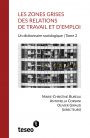


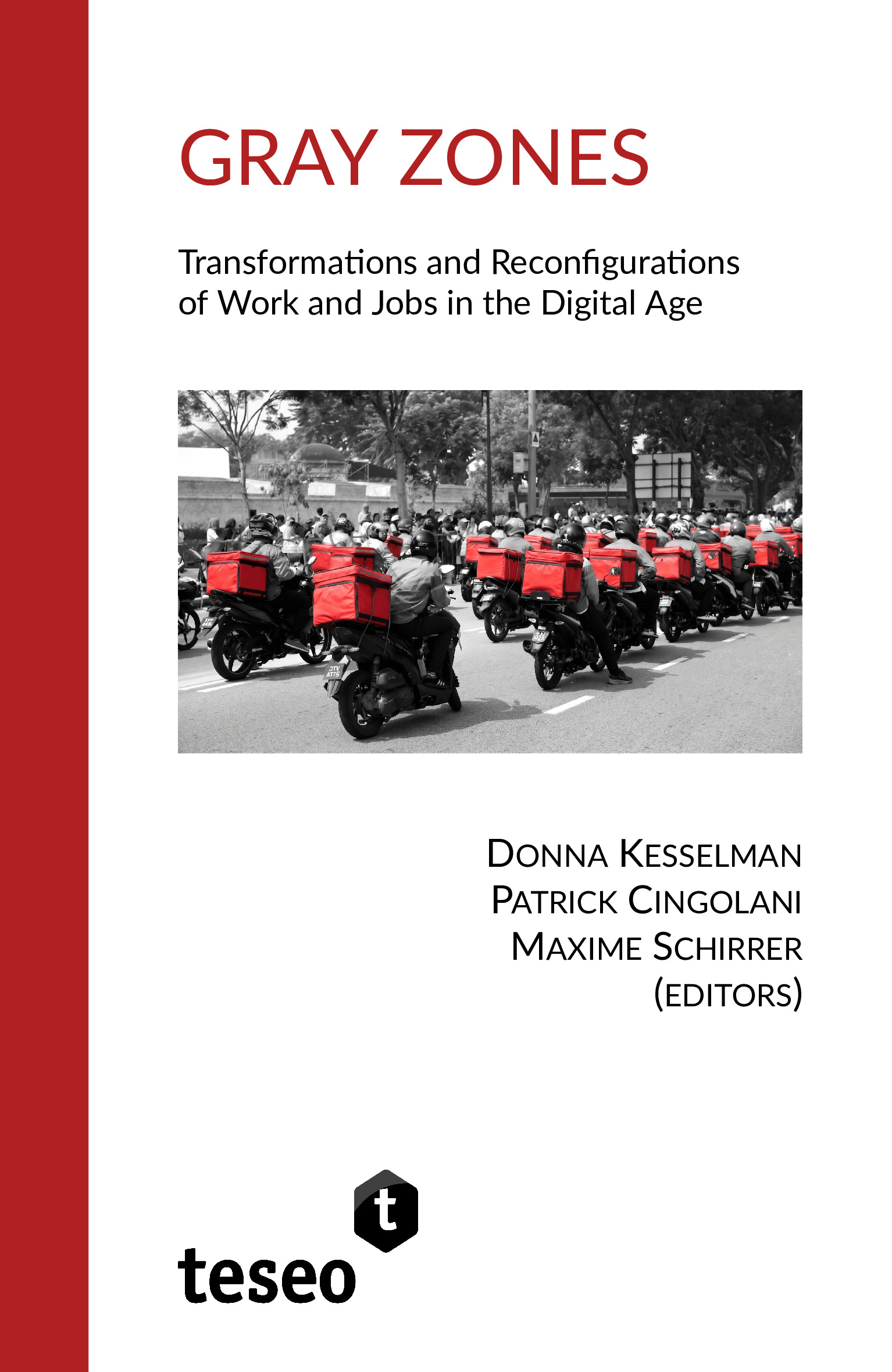
The digital revolution is remaking the world, giving capitalism the chance to reorder it and exacerbate its inequalities. Rules and norms are recast, laws flouted, social gains of the past reversed, as work is reshaped and, with it, its meanings. The concept of the gray zone of work and employment aims to capture this process which we must understand if we are to fight back. It highlights changes in work and its rights, the firm and its responsibilities, how dominant classes profit from expanding self-employment. It also reveals forms of resistance and of collective creativity. Based on research in developed and developing countries (Brazil, China, the United States, Europe), this book brings together specialists in labor issues and platformization. Drawing on various theoretical and methodological perspectives, it forges the gray zone as a transdisciplinary object and concept, allowing us to rethink the world of work through its complexity and multifactorial realities.
Donna Kesselman is Emeritus Professor at l’Université Paris-Est Créteil (UPEC); research laboratories IMAGER (UR 3958) and LISE-CNAM/CNRS (UMR 3320). Her research focuses on political institutions and work in the United States, in the longue durée, from US labor history to current work, labor and industrial relations issues.
Patrick Cingolani is Professor Emeritus of Sociology at Université Paris Cité, France. His research has focused specifically on the concepts of precarious work, precariousness and precarity. He approaches platform capitalism as a system of on-demand labor in La colonisation du quotidien and, most recently, L’ubérisation (Paris, PUF, 2026).
Maxime Schirrer is a geographer, urban planner, Associate Professor, researcher at the Conservatoire National des Arts et Métiers, Laboratoire Interdisciplinaire de recherche en Sciences de l’Action. His research studies how social geography analyzes the impact of the gray zone on digital platform workers’ living conditions.